
Girls Into Women®
A Five-Year Foundation for Success
From eighth grade through high school graduation, participants build lasting relationships with mentors and peers while strengthening the skills, knowledge and experience they need for school, college, careers and adulthood.
The program evolves as participants mature, introducing more advanced academic, career, leadership and life experiences each year. This progression broadens their understanding of available opportunities and prepares them to pursue ambitious goals
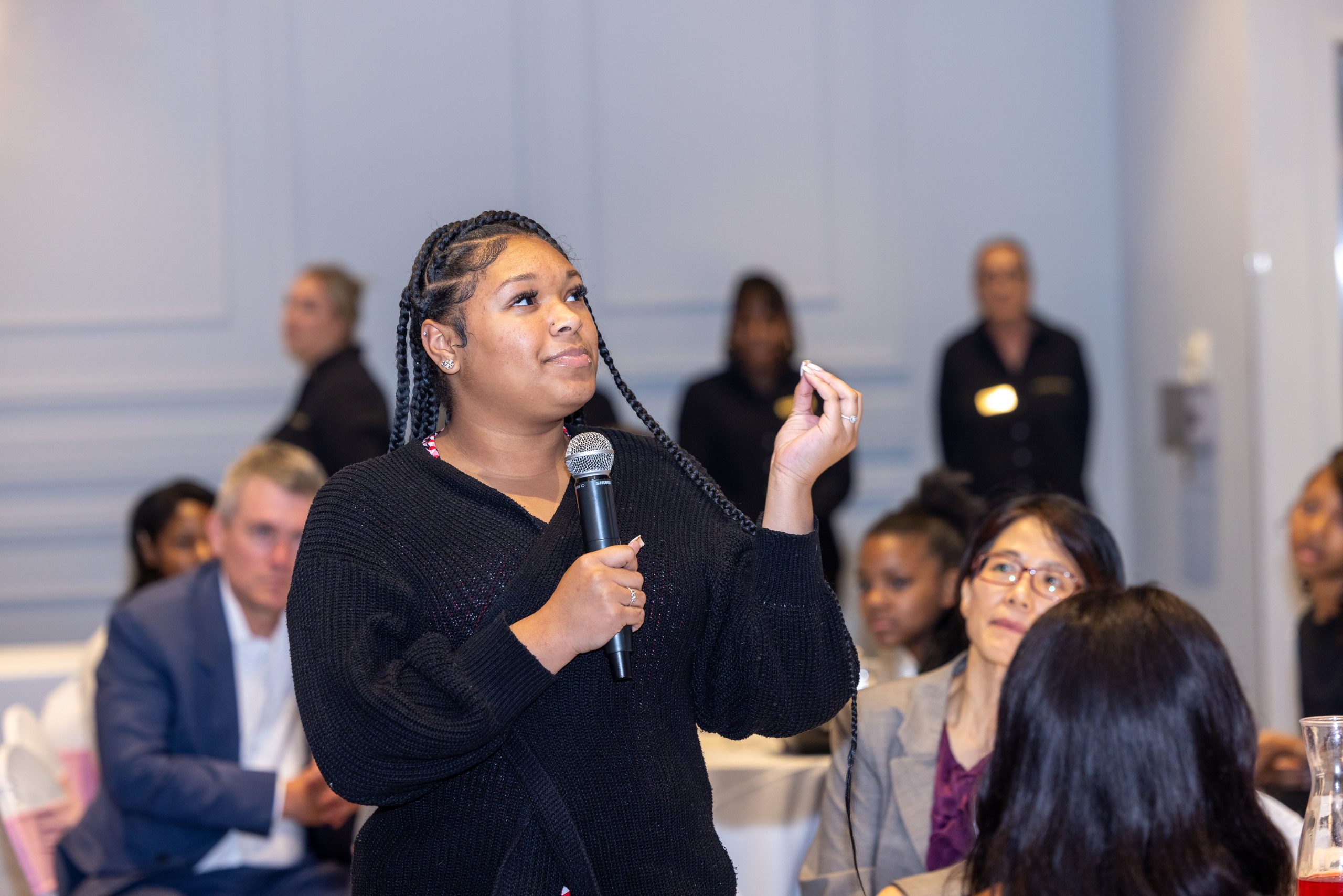

Who Can Participate
GIRLS INTO WOMEN® welcomes girls entering eighth grade who are prepared to participate fully in the program through high school graduation.
- Be entering eighth grade at the start of the program year
- Have a minimum GPA of 2.5
- Submit two letters of recommendation
- Complete the application by the published deadline
Each application is carefully reviewed to identify girls who demonstrate the interest, commitment and readiness to benefit from the program’s experiences, relationships and opportunities.
Program Pillars
Six interconnected pillars guide the program and support each participant’s academic, personal, social and professional development. Together, they build the knowledge, skills and relationships girls need to pursue their goals, respond to new challenges and take an active role in shaping their lives and communities.
1. Mentorship
Each participant is matched with a professional woman who invests the time to know her goals, recognize her strengths and understand where she needs guidance. Through regular interaction and shared experiences, mentors offer honest perspective, practical insight and a trusted relationship participants can rely on. As the relationship develops, mentors help girls work through challenges, explore academic and career interests and connect with people and opportunities beyond their immediate circles. Their presence gives participants a consistent example of how women lead, communicate, build meaningful lives and careers and make a positive impact in their communities.
2. Postsecondary Preparation
Participants explore postsecondary pathways, including colleges, universities, trade schools and credentialed programs, through campus visits, academic support and standardized test preparation. They learn how to research programs, complete applications and pursue scholarships and financial aid. By graduation, girls understand the steps, costs and commitments involved and are equipped to pursue their goals and ambitions.
3. Personal Development
Participants strengthen their confidence, self-awareness and practical life skills through workshops, hands-on activities and experiences outside their familiar environments. They learn to communicate clearly, adapt to new situations and recognize the strengths they bring to different settings. As girls take on new challenges and responsibilities, they develop greater independence and accountability in their choices and relationships. This deeper self-understanding shapes how they lead, pursue their goals and respond to setbacks.
4. Career Development
Participants discover a range of professions through career workshops, job shadowing, internships and firsthand experience in professional settings. They also build practical skills in résumé writing, interviewing, workplace etiquette, entrepreneurship and career planning. These experiences help girls connect their interests and strengths to real career possibilities while gaining a clearer understanding of how different professions work and what they require. Exposure to professionals, workplaces and career pathways gives participants greater context for the choices they make about education, preparation and the futures they want to pursue.
5. Health & Wellness
Participants learn how nutrition, physical activity, rest, stress management and emotional health affect their overall well-being. Through practical activities and conversations, they gain tools to make healthy choices, recognize when they need support and understand the value of caring for themselves. This knowledge helps girls establish healthy habits, manage stress and respond to the physical and emotional demands of school, relationships and daily life
6. Community Outreach & Cultural Awareness
Participants connect with their communities through service projects, civic activities and shared experiences that introduce them to new people, ideas and ways of life. Visits to museums, theaters and arts institutions also give girls opportunities to experience and appreciate different forms of cultural expression. Through serving others and exploring the world around them, girls discover that their time, ideas and actions matter. They deepen their appreciation for their communities and identify meaningful ways to contribute, lead and create positive change.
What Participants Gain
Participants develop the confidence, self-awareness, knowledge and lasting relationships to pursue their goals and respond to new responsibilities.
They leave prepared for postsecondary education and career opportunities, equipped to advocate for themselves, contribute to their communities and lead with assurance. These skills and experiences deepen their understanding of what they can achieve and the impact they will have.
In Their Own Words
Hear directly from RWF participants and a parent as they reflect on the experiences, relationships and opportunities that have shaped their journeys. Their perspectives offer a personal view of RWF’s impact and the lasting value of its work.